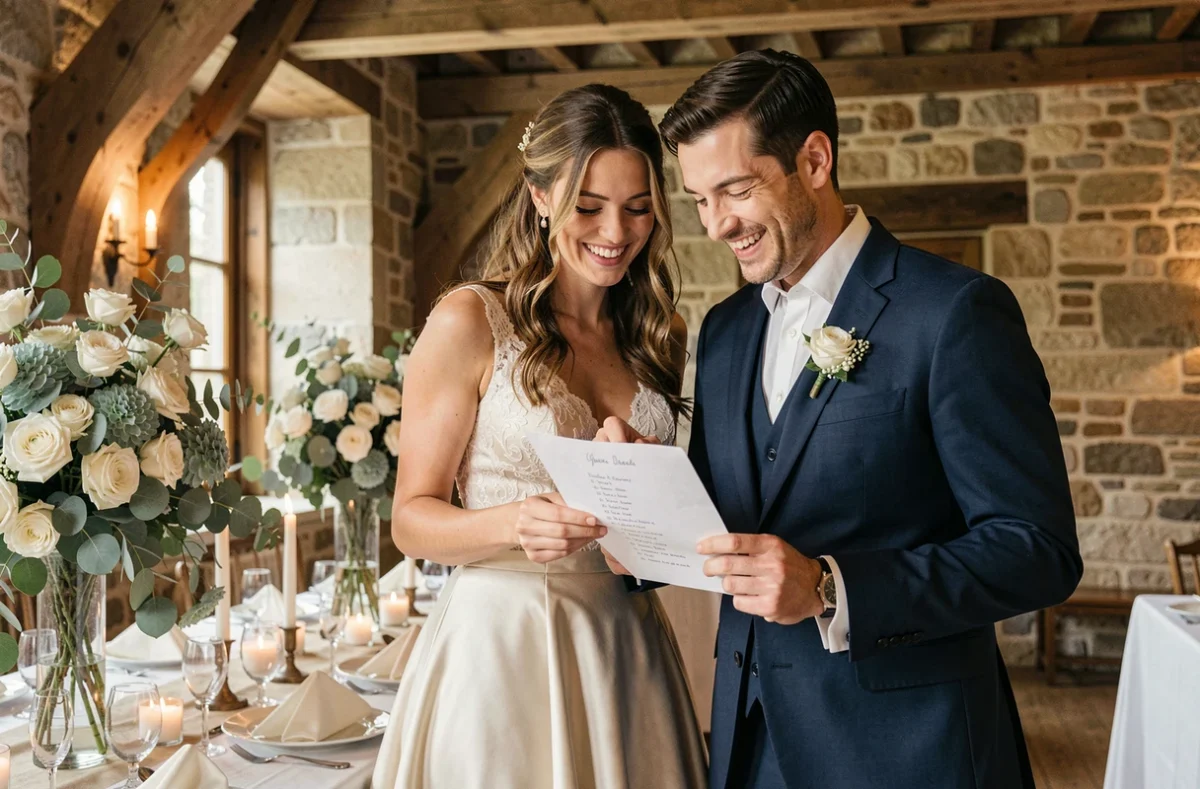
A wedding takes several months to plan, sometimes more than a year. Between choosing the venue, drawing up the guest list and handling the paperwork, every decision leads to another. Planning a memorable wedding means setting priorities early, starting with the things that affect everything else: the venue, how guests will move between different areas, and the legal formalities that many people mistakenly put off.
Venue accessibility and guest routes
Have you ever visited a beautiful estate only to find that the entrance is a narrow, steep dirt track? Details like this can change the experience of the day for some guests. Guests with limited mobility, grandparents and families with strollers all depend on the physical route between the ceremony, cocktail hour and reception room for their comfort.
Before signing a rental agreement, check the venue’s accessibility in person. Online photos won’t show you the steps, unstable gravel or lack of accessible restrooms. Visiting with a critical eye for these details can help you avoid unpleasant surprises on the big day.
When the ceremony and reception are held in different locations, transportation between the two becomes a consideration in its own right. Arranging a shuttle, minibus or simply a carpool makes it easier for guests who don’t drive, or who have had a glass of wine at the drinks reception, to get around safely. Platforms such as mariage-avenue.com bring together vendors who can help with this kind of logistics.
Accommodation near the reception venue deserves the same attention. Reserving a block of rooms at a nearby hotel or guesthouse, then sharing the details with guests in the invitation, makes planning easier for them and reduces the risks associated with late-night travel.

Marital property regime and paperwork before the celebration
Most wedding planning guides focus on the décor and catering. The financial implications of marriage often take a back seat, even though they can affect both spouses for years to come.
By default, if you don’t sign a marriage contract, you are subject to the community of property regime limited to assets acquired during the marriage. In practical terms, anything acquired after the wedding belongs to both spouses. If one partner is an entrepreneur, owns real estate or has business debts, consulting a notary before the wedding can help you determine whether another regime would be more suitable.
The documents required for a marriage application at the town hall vary depending on the municipality and the couple’s circumstances (nationality, previous divorce, children). Contact your town hall directly several months before your preferred date. Some municipalities require banns to be published well in advance—much earlier than you might expect.
Checklist of paperwork not to put off
- Collect the marriage application from the town hall and check the exact list of required documents, including birth certificates issued within the last three months
- Make an appointment with a notary if either partner has assets or a business, or wants to protect the other in the event of their death
- Check the publication deadlines for banns in your chosen municipality, as they vary from one town hall to another
Handling the unexpected on your wedding day
Everyone thinks about a weather backup plan. Far fewer people think about an operational backup plan. What happens if the caterer is an hour late? If a vendor doesn’t show up? If a guest feels unwell?
Appointing a point person for the big day can make all the difference. This person, who is neither the bride nor the groom, has the full list of vendor contacts, the schedule and the authority to make quick decisions. A trusted member of the wedding party, an organized family member or a professional coordinator can take on this role.
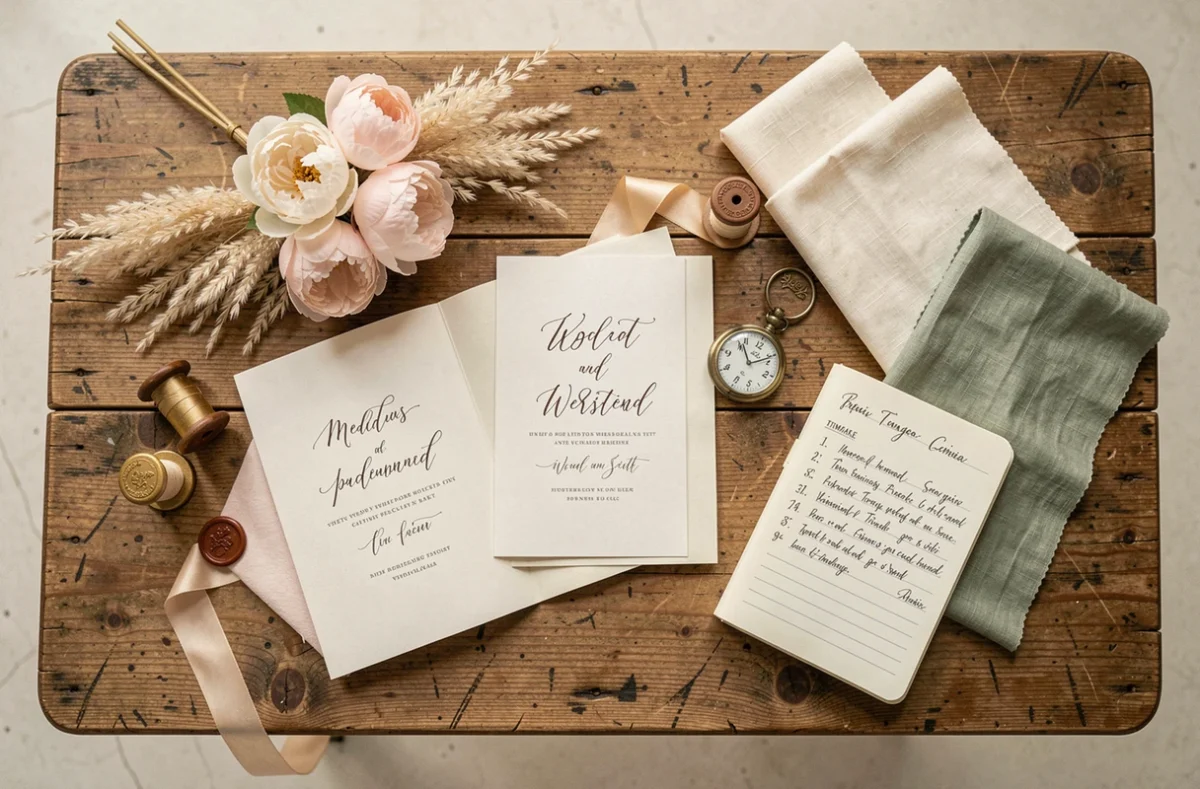
Prepare a shared document (a simple spreadsheet on a phone will do) with the following information:
- Name, phone number and arrival time of each vendor (caterer, DJ, photographer, florist)
- Scheduled times for each key moment: ceremony, cocktail hour, first dance, bouquet toss
- Contact details for the reception venue and the nearest accommodation in case of a medical or logistical issue
- Name of the person authorized to change the schedule if the couple is unavailable
Plan ahead without trying to control everything
The goal isn’t to plan every second of the day. It’s to know who makes the decisions when something doesn’t go to plan. A smooth wedding depends on a clear chain of decision-making, not a schedule timed down to the minute.
Couples who feel exhausted on their wedding day are often the ones who haven’t delegated any practical responsibilities. Accepting that you don’t have to manage everything yourself is probably the best planning decision you can make.
Reception details guests will remember
What guests remember about a wedding isn’t the price of the catering. It’s the atmosphere, the quality of the conversations and the thoughtful touches they didn’t expect.
A well-planned seating chart is worth more than an expensive centerpiece. Seating people who don’t know each other but have something in common (the same city, a shared interest, children of the same age) encourages conversation and connection. It’s behind-the-scenes work that has a direct impact on the energy of the evening.
When it comes to décor, consistency matters more than abundance. Choosing two or three colors and carrying them through the napkins, printed menu and flowers creates a polished look without driving up costs. Personal touches (photos of the couple, anecdotes on the menus, a collaborative playlist) add a warmth that standardized decorations can never replace.
Finally, it’s worth offering alternatives for guests with specific dietary requirements. Asking about these on the RSVP card and passing the information on to the caterer well in advance helps avoid awkward situations on the day. Every guest should have enough to eat, whatever their dietary needs.
A successful wedding doesn’t depend on an unlimited budget or an endless list of vendors. It comes down to making thoughtful choices in advance about what really matters: welcoming every guest, having a sound legal framework, being ready to handle the unexpected, and adding a few well-chosen touches that make the day unique.