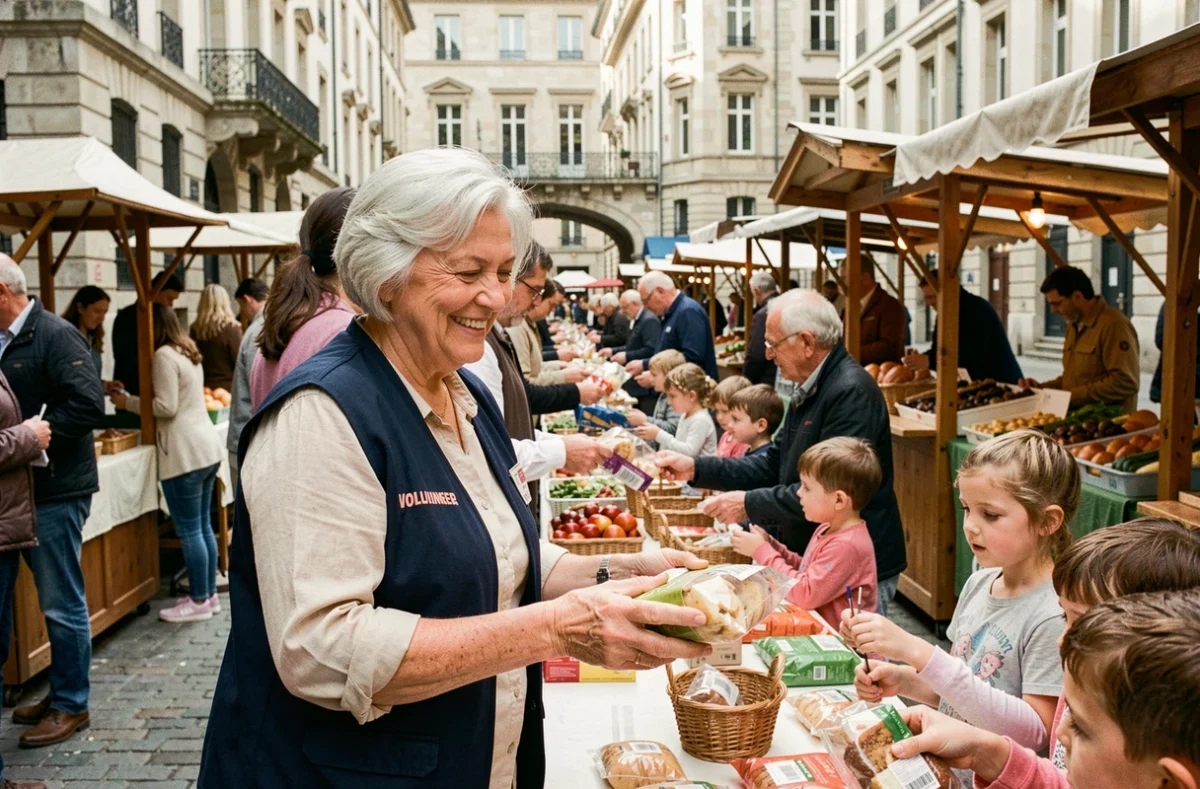
The volunteering of seniors in France is based on a documented paradox: retirees are the most consistent pool of associative engagement, yet their participation remains socially unequal. According to the 2025 Volunteering Barometer from France Bénévolat-IFOP, the engagement rate is significantly higher among graduates than among holders of a vocational diploma (CAP). Understanding this reality helps to better grasp the forms that senior solidarity takes, both in France and internationally.
Senior volunteering and solidarity volunteering: what these terms cover
Two concepts coexist without always overlapping. Volunteering refers to a free, unpaid commitment made within an association or community. Volunteering, on the other hand, falls within a more formal legal framework, sometimes involving compensation, a contract, and structured oversight.
For retirees, this distinction has practical consequences. A volunteer in a local solidarity grocery store does not have the same obligations as a volunteer who has gone to West Africa for six months as part of a cooperation program. The status of International Solidarity Volunteer (VSI) offers, for example, social coverage and support before, during, and after the mission, distinguishing it from traditional volunteering.
Organizations like seniors-en-mission.org facilitate connections between retirees and solidarity projects by offering missions tailored to each individual’s skills and availability.
Solidarity missions in France: proximity and regularity of engagement
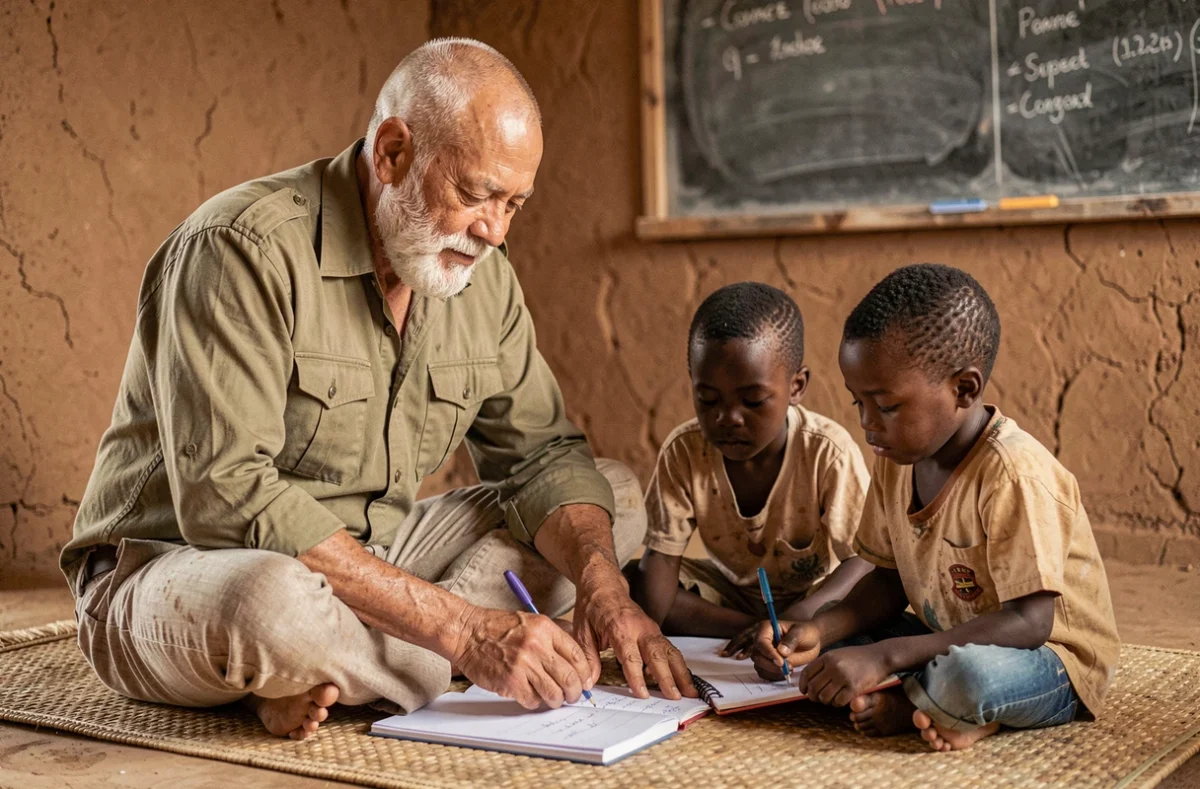
Local engagement remains the main entry point. Solidarity missions in France cover a wide spectrum, but some particularly mobilize seniors.
- Supporting isolated individuals, notably through home visits or in nursing homes, where the availability of retirees is an asset that working individuals cannot offer.
- Academic support and assistance with professional integration, in associations that value experience gained in business for mentoring or training.
- Participation in intergenerational programs, such as solidarity cohabitation between a student and a senior, which addresses both the isolation of the elderly and the student housing crisis.
What makes senior engagement distinct is its regularity. Retirees generally dedicate more time per week than volunteers who are still in the workforce. This consistency allows associations to build stable programs rather than relying on sporadic help.
The barrier of mobility and resources
The Petits Frères des Pauvres document a concrete obstacle: seniors with low incomes sometimes refrain from traveling due to lack of transportation. When volunteering involves regular trips to an association’s premises, this constraint effectively filters the profiles that can engage.
This socio-economic filter partly explains why solidarity missions do not uniformly reach all categories of retirees. Associations that cover travel expenses or offer missions that can be done remotely (telephone support, writing, translation) mechanically expand their volunteer base.
International volunteering for retirees: framework and on-the-ground realities
Going abroad for a solidarity mission after retirement requires enrolling in a specific framework. International volunteering is not improvised, and serious organizations require a preparation seminar, medical follow-up, and on-site supervision.
The most sought-after skills on the ground pertain to areas where extensive professional experience makes a difference:
- Health and paramedical fields, for training missions in local structures rather than substituting for healthcare staff.
- Teaching and vocational training, particularly in management, accounting, or agricultural techniques.
- Project engineering and associative management, where the ability to structure an organization for the long term goes beyond mere goodwill.
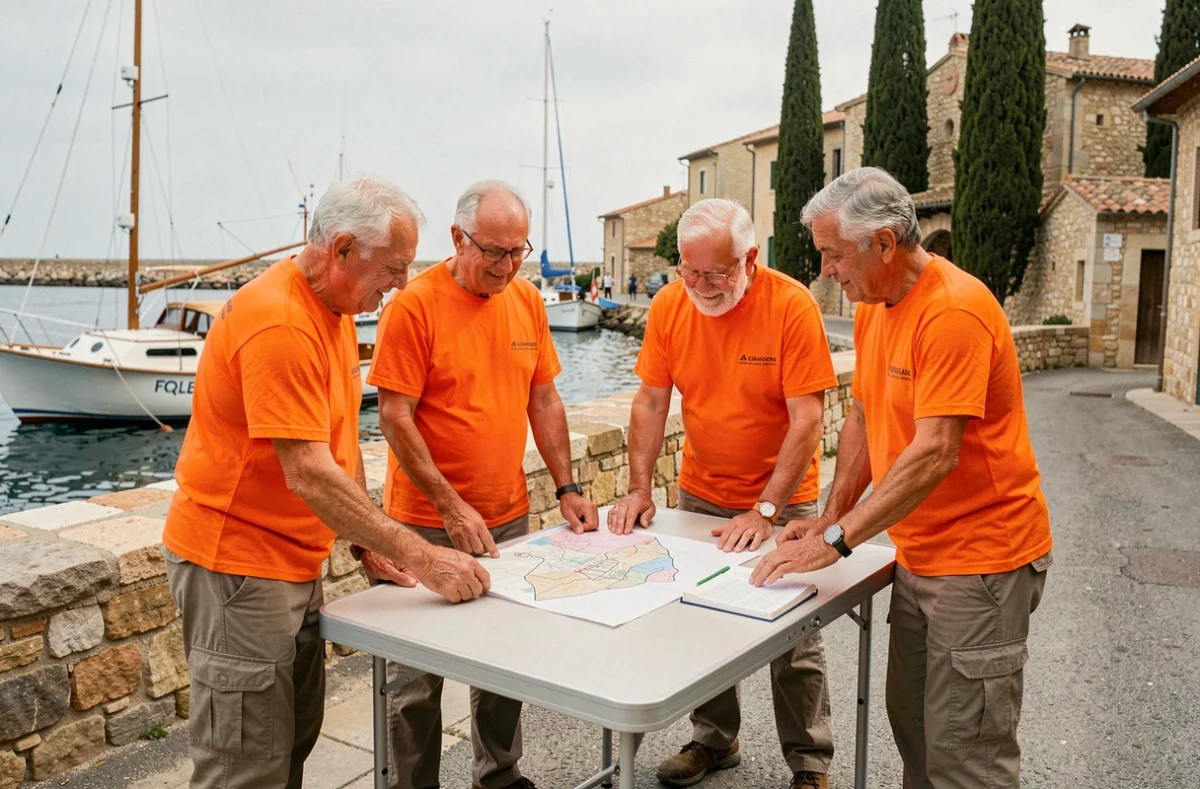
The duration of missions varies from a few weeks to several months. Short missions are suitable for retirees who wish to test international engagement without disrupting their daily lives. Long missions, framed by the VSI status, allow for a deeper anchoring in the local project.
Distinguishing solidarity volunteering from voluntourism
The boundary between the two is not always clear for candidates preparing to depart. Voluntourism offers a tourist experience dressed in solidarity, often without assessing local needs or tracking impact. Solidarity volunteering, on the other hand, is based on requests made by partners in the host country and is part of a sustainable development logic.
A reliable indicator: serious programs require a minimum commitment of several weeks, demand an application file, and organize a preparation phase. Offers that only require payment and a plane ticket warrant more caution.
Solidarity engagement of seniors: what the current context changes
The 2025 Barometer from France Bénévolat-IFOP indicates a general decline in associative engagement in France. This trend nuances the idea of a senior pool automatically available for associations. Retirees do not engage by default because they have free time. The decision to invest depends on health, income, social network, and the perception of usefulness.
Intergenerational programs are gaining ground because they meet a dual need: seniors find social connections and an active role, while young people access support or housing. This model of reciprocity works better than calls for disembodied generosity.
The project for validated retirement quarters for volunteers, discussed in the context of recent reforms, could alter individual choices. If regular volunteering opens up additional rights, the boundary between free engagement and institutional recognition shifts, with effects that are still difficult to anticipate on the volume and nature of solidarity missions.