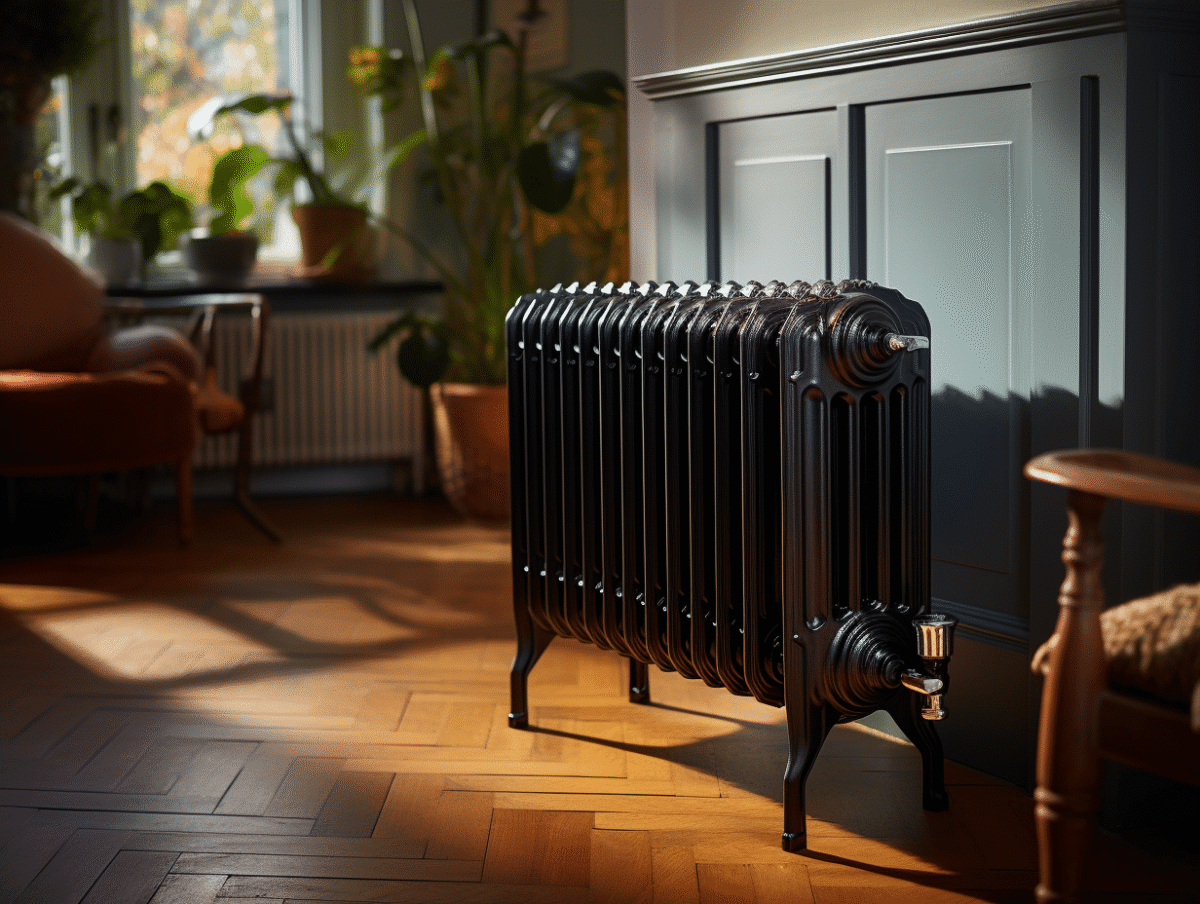
Keeping an old heating system in good working order is essential to ensure comfort and safety in historic homes. These systems, often composed of old-fashioned boilers or cast iron radiators, require special attention to maintain their efficiency and prevent breakdowns. Regular maintenance becomes a fundamental task, involving cleaning components, checking connections, and adjusting control elements. Be sure to know the specific tips related to these bygone technologies to avoid excessive expenses linked to unforeseen repairs and to extend the lifespan of these nostalgia-laden devices.
Best practices for maintaining old heating systems
Maintain your boiler with the diligence that any historic device demands. The heating circuit, the beating heart of your home, requires great attention to ensure optimal comfort. Flue cleaning, an often-overlooked operation, is nevertheless a mandatory procedure, especially for solid fuel boilers. This process is vital for the efficiency and safety of your installation. Hiring a professional heating engineer not only ensures compliance with current standards but also guarantees the longevity of your system.
The cleaning of the radiator is a fundamental step in maintaining an old heating system. The procedure to bleed a cast iron radiator is essential to eliminate trapped air that can compromise heat circulation. The power flushing of the circuit, recommended every five years, especially for gas radiators, prevents malfunctions and improves thermal transmission. Specialized cleaning products are used for this operation, removing sludge and deposits that impair system performance.
Monitor the performance of your heating circuit. Keeping a close eye on energy consumption can alert you to potential anomalies. Unexplained fluctuations in energy bills may indicate a loss of efficiency, necessitating the intervention of a specialist. They can conduct a complete diagnosis and recommend appropriate actions to optimize the performance of your installation.
Extend the lifespan of your system by establishing a regular maintenance schedule. Take the initiative and do not wait for signs of failure to act. Prevention is the best way to keep your heating system operating optimally, thus minimizing emergency interventions and associated costs. Proactive maintenance means peace of mind and preservation of the technical heritage of your home.

Key steps for a high-performing and durable old heating system
Annual checks of your boiler are essential to ensure its performance and durability. The boiler, the centerpiece of the central heating, requires meticulous monitoring. An annual check, performed by a qualified heating engineer, helps prevent malfunctions and optimize energy consumption. It includes examining burners, checking thermal exchanges, and inspecting safety devices. This process guarantees peace of mind and contributes to the longevity of the equipment.
The heat pump, an energy-efficient alternative, also requires annual maintenance. Entrust your heat pump to a professional who will check all aspects, from the refrigeration circuit to the filters, including the heat exchanger. This maintenance preserves the pump’s performance and ensures its efficient operation throughout the year.
Maximize the energy savings of your system by paying special attention to insulation and regulation. Proper insulation of pipes and living spaces reduces heat loss, while precise regulation—via thermostats or smart management systems—allows for adjusting heat production to actual needs. The energy efficiency of your installation is greatly improved.
Boiler maintenance and heat pump care are complemented by a review of the distribution circuit. Check the proper functioning of the pumps, ensure that the fans distribute hot air correctly, and inspect the condition of valves and taps. Smooth and well-regulated circulation of the heat transfer fluid in the system is essential to guarantee even heat distribution and avoid overconsumption or thermal imbalances.