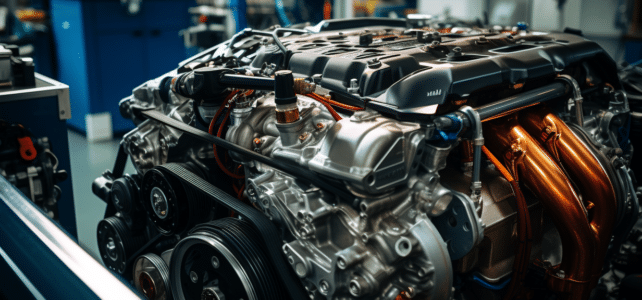
The world of automobiles is constantly evolving, with an ongoing quest for performance optimization. Manufacturers are exploring various technological horizons to make their vehicles more powerful, responsive, and efficient. From hybrid propulsion systems to the use of ultralight composite materials, along with the integration of artificial intelligence and advanced connectivity, innovations seem limitless. These advancements aim not only to enhance the driving experience but also to meet increasingly stringent environmental standards. The race for automotive performance thus resembles a fusion of high technology and environmental respect.
Technological Innovations in the Service of Automotive Performance
At the heart of technological advancements, automotive technology is undergoing a revolution, driven by the need to combine performance and environmental respect. Manufacturers focus on the definition of performance parameters right from the conceptual phase, thus ensuring solid foundations for future vehicles. These parameters, such as vehicle weight, overall dimensions, and wheel diameter, are crucial in the development of high-performing and responsive vehicles.
The powertrain, the cornerstone of automotive power, receives particular attention. The engine speed and torque are optimized through advanced components like sophisticated crankshafts, which can significantly influence the engine’s responsiveness and efficiency. Engine reprogramming software allows for extensive customization, providing drivers with a tailored experience suited to the most demanding driving conditions.
The customer market profile also significantly influences manufacturers’ decisions. The definition of standard performance criteria and the selection of objectives align with consumer expectations, who seek a combination of technological innovation and reliability. Manufacturers do not just respond to current needs but anticipate future trends to stay at the forefront of progress.
The close relationship between the conceptual phase and the finished product is evident. The parameters defined upstream materialize in vehicles that integrate high-capacity batteries and high-performing powertrains. These components are not isolated; they fit into a complex system where each element, from the smallest to the largest, contributes to the overall performance improvement. Automotive technology is advancing, not step by step, but by leaps and bounds, towards a future where performance goes hand in hand with sustainability.
Environmental Impact and Sustainability: Green Technologies in Automobiles
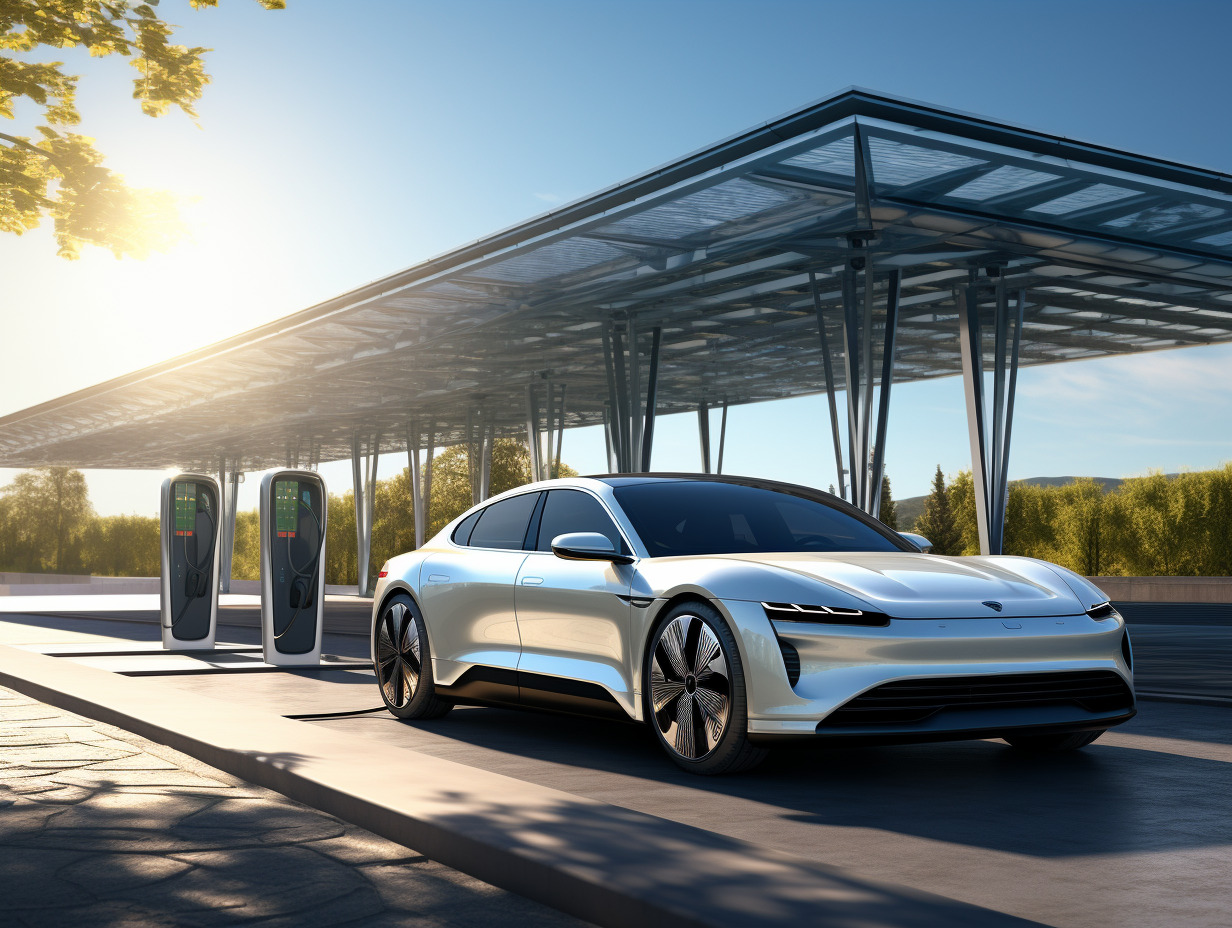
In the arena of the automotive industry, green technologies are taking on an increasingly prominent role. Electric cars are emerging as champions of this ecological transition, with innovations such as high-performance batteries that promise to drastically reduce greenhouse gas emissions. These batteries, characterized by their capacity and total voltage, contribute to the development of vehicles that are not only environmentally friendly but also competitive in terms of range and durability.
The company Knauf Automotive, specializing in innovative materials, contributes to this effort by providing lightweight and durable components for vehicles. Its products, such as polypropylene and expanded polystyrene, are the result of a feasibility study and rigorous cost analysis aimed at extending the lifespan of vehicles while reducing their ecological impact.
The convergence between green technology and automotive performance is also evident in the continuous improvement of internal combustion engines. While attention is increasingly focused on electrification, the quest for efficiency in traditional engines remains fundamental. We are witnessing a gradual reduction in harmful emissions thanks to advanced combustion technologies and the integration of sophisticated fuel management systems.
Sustainability in the automotive sector is no longer an option but a necessity, dictated by an increasingly strict regulatory framework and collective awareness. In response, manufacturers are adapting their offerings to meet the dual demand for performance and environmental respect. Modern cars are thus emerging, equipped with the latest advancements in green technologies, ready to take on the challenge of cleaner mobility for future generations.