When you open a news app in the morning, the feed mixes geopolitics, fashion, artificial intelligence and viral controversies. Sorting out what really matters from what will disappear within twenty-four hours takes a framework. Current trends are more than just popular topics: they reflect concrete changes in how we consume information, dress and interact with technology.
News fatigue and disengagement: how attitudes to current affairs are changing in France
We were already familiar with the weariness caused by a constant stream of notifications. But the phenomenon has reached a new level. The Jean-Jaurès Foundation now uses the term information disengagement to describe a withdrawal that goes beyond simply turning off alerts: some members of the public are abandoning shared sources and stepping away from conversations about current affairs.
In practice, this means households no longer turning on the news, groups of friends deliberately avoiding current affairs, and press subscriptions being cancelled without being replaced. The word “fatigue” understates what is happening: this is a structural disengagement, not a temporary break.
For keeping up with the news, La Maison Info’s news coverage offers a format that lets readers select topics by theme rather than being subjected to an undifferentiated feed, directly addressing this need to filter information.
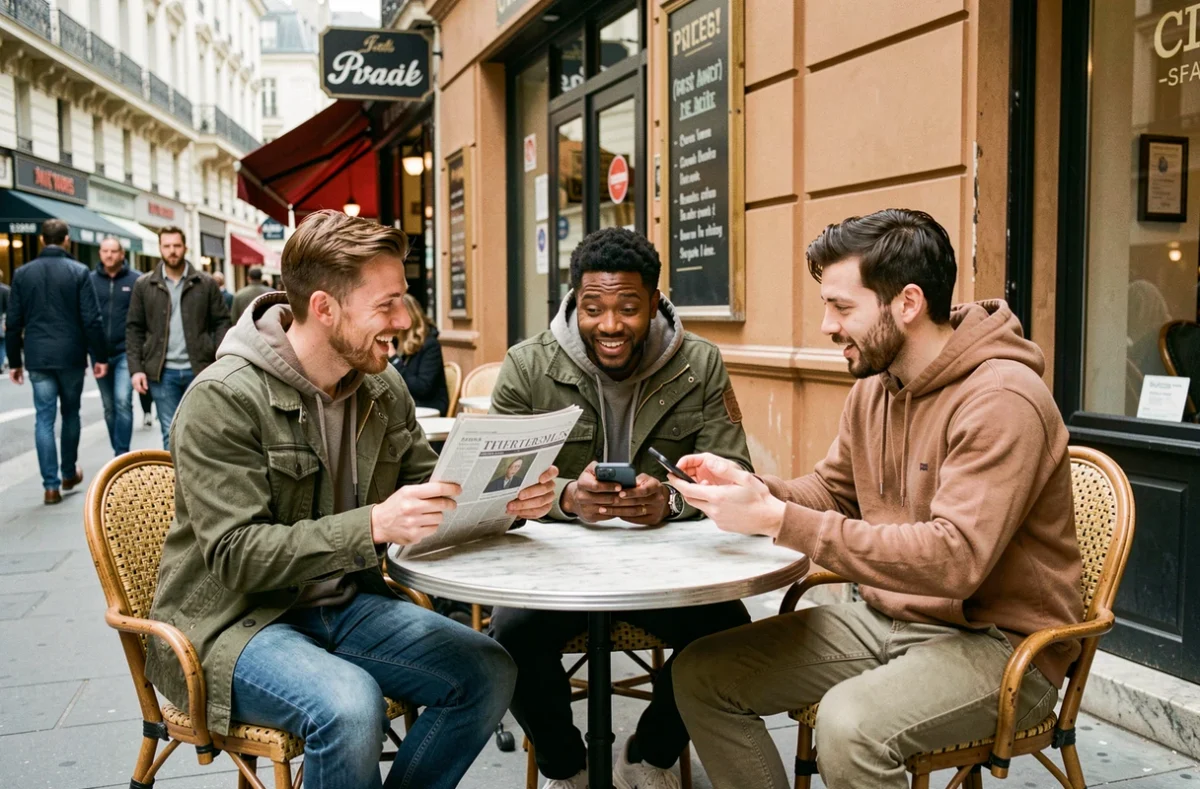
This withdrawal raises a fundamental concern. When everyone consults different sources—or no sources at all—the shared foundation of common facts shrinks. Cultural and political trends then become harder to spot because they no longer circulate through the same channels.
Artificial intelligence and news: a tool for understanding, not a reliable source
Generative AI has become part of some people’s routines for keeping up with the news. According to a survey cited by Télérama, based on research by the Jean-Jaurès Foundation, a significant proportion of respondents say they use AI to get informed. The habit is often the same: ask a chatbot a question to understand a topic before looking for a source.
That’s where the trap lies. AI rephrases and summarises, but it doesn’t fact-check. It may attribute a figure to an institution that never published it, or merge two separate events into a single, coherent but false account. The result is a fluent explanation, not a sourced piece of information.
In Europe, transparency around AI-generated content is becoming a regulatory issue. The AI Act is gradually introducing labelling requirements. This framework affects more than just tech companies: it also changes what we can expect from an article or summary produced by a machine.
What this means when following trends
Using a chatbot to get a basic grasp of a topic, then checking it against an edited source, is a sensible approach. But taking an AI summary at face value means entrusting the filtering of the news to a tool with no understanding of journalistic priorities. Fact-checking remains a manual step—and it’s precisely the step that news fatigue encourages people to skip.
Autumn fashion and culture trends: what’s shaping the conversation
In fashion, autumn is confirming several trends spotted on social media and the runways. The return of 1990s and 2000s accessories (bandanas, scrunchies and headbands) is more than a simple nostalgic revival. These items are back because they create a distinctive look that can be recognised in a second on TikTok or Instagram, giving them a level of virality that more subtle pieces can’t achieve.
- The “jort” (a hybrid of jeans and shorts) continues to establish itself as a transitional autumn staple, worn with thick tights or boots
- Food trends such as “swicy” (sweet and spicy) and “no-low” (alcohol-free or low-alcohol drinks) are spreading from social media to restaurant menus
- Acne patches are moving from discreet skincare to a statement accessory, with colourful, stylish versions worn in plain sight
What these micro-trends have in common is where they start: they emerge on short-form video platforms before making their way into brick-and-mortar shops. The reverse journey—from the runway to the public—still happens, but it has become less common for mainstream trends.

Young people and access to information: practical needs beyond viral content
Young people’s information habits are often reduced to their consumption of viral content. The 2025–2026 Info Jeunes France Barometer paints a different picture. The young people surveyed feel they don’t have enough information about practical matters such as social rights, housing and employment. Their demand for support with these processes has increased since the previous edition of the barometer.
This gap between the topics that circulate (fashion, entertainment and controversies) and the topics people need help with (rights, administrative procedures and access to housing) is itself a trend. Viral content doesn’t meet the real information needs of some members of the public.
Google Trends as a tool for spotting trends
To distinguish a passing fad from a deeper shift, Google Trends remains a useful indicator. A search spike over the course of a week signals a buzz. An upward curve over several months points to a change in behaviour. You can compare data by region to see whether a trend is spreading across France or remains concentrated in a few major cities.
The trends that matter aren’t always the ones making the most noise. Information disengagement, the use of AI as a first port of call for news, and young people’s need for practical information about their rights: these shifts are changing how we stay informed and what we consume in lasting ways. Spotting them early means understanding not just what’s popular today, but what will shape tomorrow’s conversations.