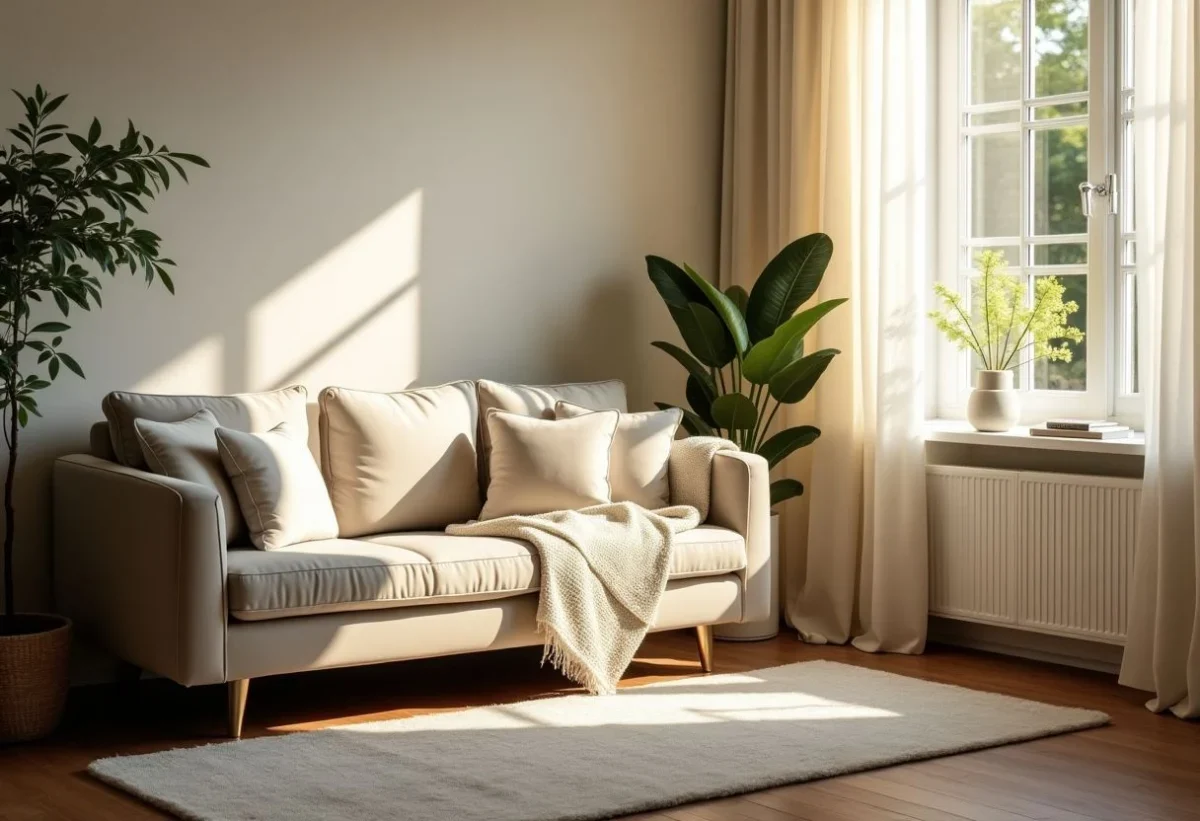
The sofa is often the heart of our living rooms, an essential piece of furniture that hosts lively discussions, moments of relaxation, and friendly evenings. In our modern daily lives, it plays a much larger role than just being a simple seat. It reflects not only our personal style but also our way of living and welcoming others into our homes. From classic to contemporary, and even ultra-modern, choosing a sofa requires special attention. Colors, materials, shapes, and comfort, every detail matters. Did you know that a sofa can transform the atmosphere of a room? Its impact on the overall ambiance is undeniable, and it proves to be a determining element in the arrangement and harmony of the space.
The different styles of sofas
Every interior has its own character, and sofas must reflect this uniqueness. From the pure Scandinavian style to the raw industrial, the options are endless.
The Scandinavian style is characterized by its clean lines, natural materials, and soft hues. It brings a touch of serenity and warmth to the room. In contrast, the industrial style favors robust materials such as leather and metal, often adorned with rivets and visible stitching for a more raw and authentic look.
Fans of ultra-modern design will turn to bold geometric shapes and innovative materials, while those who cherish the charm of the classic will appreciate sofas with tufted upholstery and detailed armrests.
The role of comfort in choosing a sofa
Comfort is undoubtedly one of the most essential criteria when choosing a sofa. This piece of furniture is not only aesthetic; it must also meet requirements for comfort and well-being.
- Make comfort a priority: A good sofa should provide optimal support, both for the back and the legs. The cushions should have an appropriate density, neither too hard nor too soft.
- Dimensions and proportions: Adapt the sofa to the size of your room. A model that is too large can overwhelm the space, while a model that is too small may go unnoticed and not offer enough seating for your guests.
- Materials and upholstery: Favor quality materials that are easy to maintain. The upholstery should be wear-resistant while ensuring lasting comfort.
How to integrate a sofa into your interior decoration
A well-chosen sofa can make all the difference in the harmony of the space and the overall style of your interior.
For a successful integration, it is advisable to choose a sofa whose color complements or contrasts pleasantly with the rest of your decor. Accessories such as cushions, throws, and rugs can also play a crucial role in creating a cohesive atmosphere. The arrangement of the sofa should promote circulation and interaction among the different occupants of the room.
An L-shaped sofa can be perfect for delineating spaces in a large living room, while a more compact model will suit smaller interiors.
Current innovations and trends
Over time, the sofa has evolved to incorporate new technologies and meet consumers’ expectations for sustainability and functionality.
- Connected sofas: Some modern models integrate USB ports or wireless charging stations, thus addressing the technological needs of our time.
- Innovative fabrics: Textile advancements now allow for the design of sofas with stain- or tear-resistant fabrics while offering a pleasant touch.
- Sustainability: Consumers are increasingly aware of the environmental impact of their purchases. Manufacturers offer eco-designed sofas, using recycled materials or those sourced sustainably.